ITIS 4353 - Social Technology Design
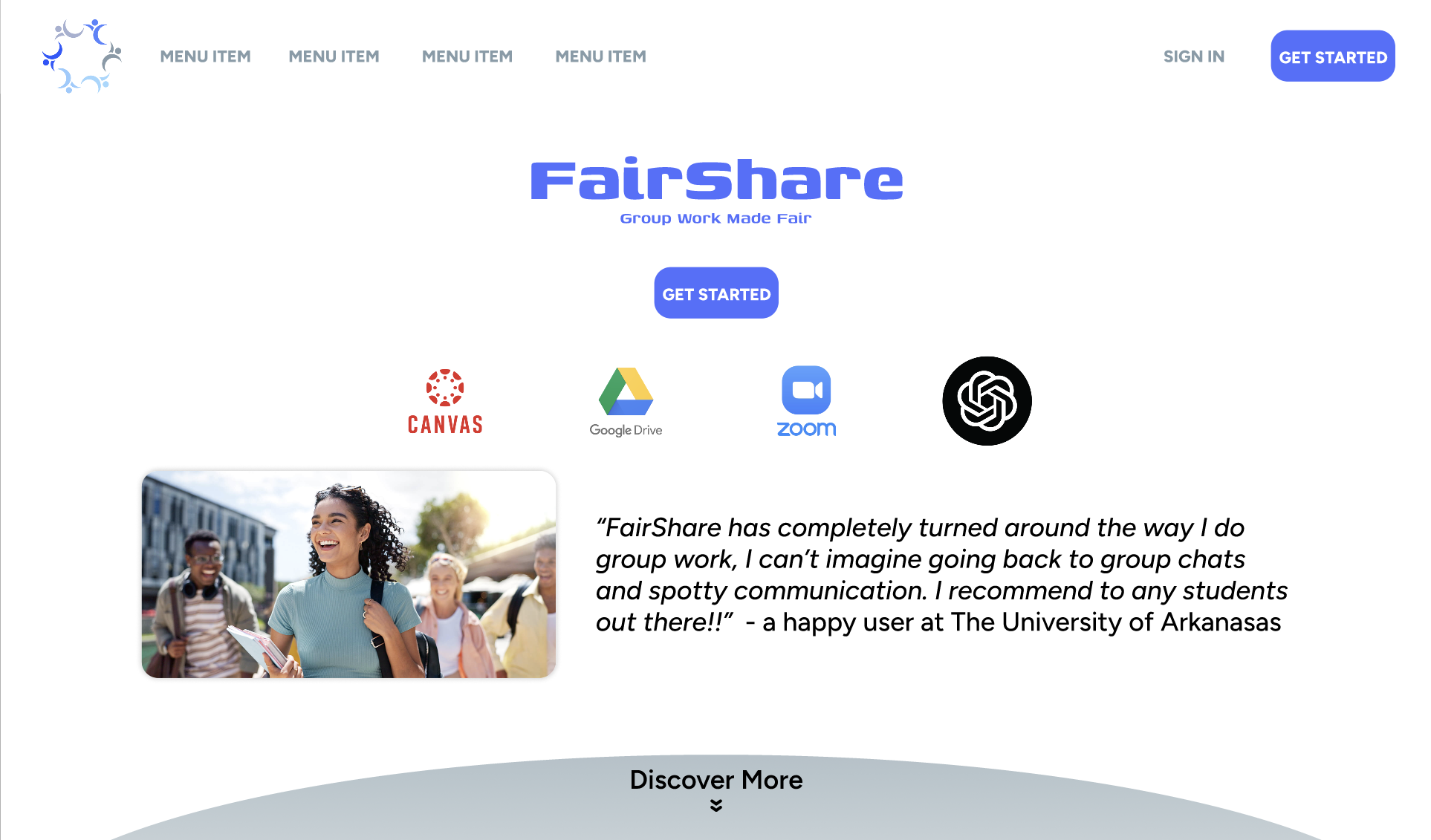
FairShare: Group Work Made Fair
See More
-
See More -
Project Overview
My Role: Social Interaction Designer
I focused specifically on designing social features, communication flows, and community mechanisms. I led the team in prototyping social interactions, design notification systems, create moderation tools, and ensure the product facilitates meaningful connections while preventing harmful behaviors.
The Goal: To combat social loafing, which is the phenomenon where individuals contribute less effort in a group setting, by embedding accountability and transparency into student collaboration.
FairShare was designed as a student-centered platform that replaces fragmented tool ecosystems (like Discord and Google Docs) with a single, structured interface. Grounded in Social-Behavioral Theory, the platform uses visual dashboards and clear role assignments to ensure workload is distributed fairly and progress is visible to all members
The Design Evolution: From Sketches to Refinement
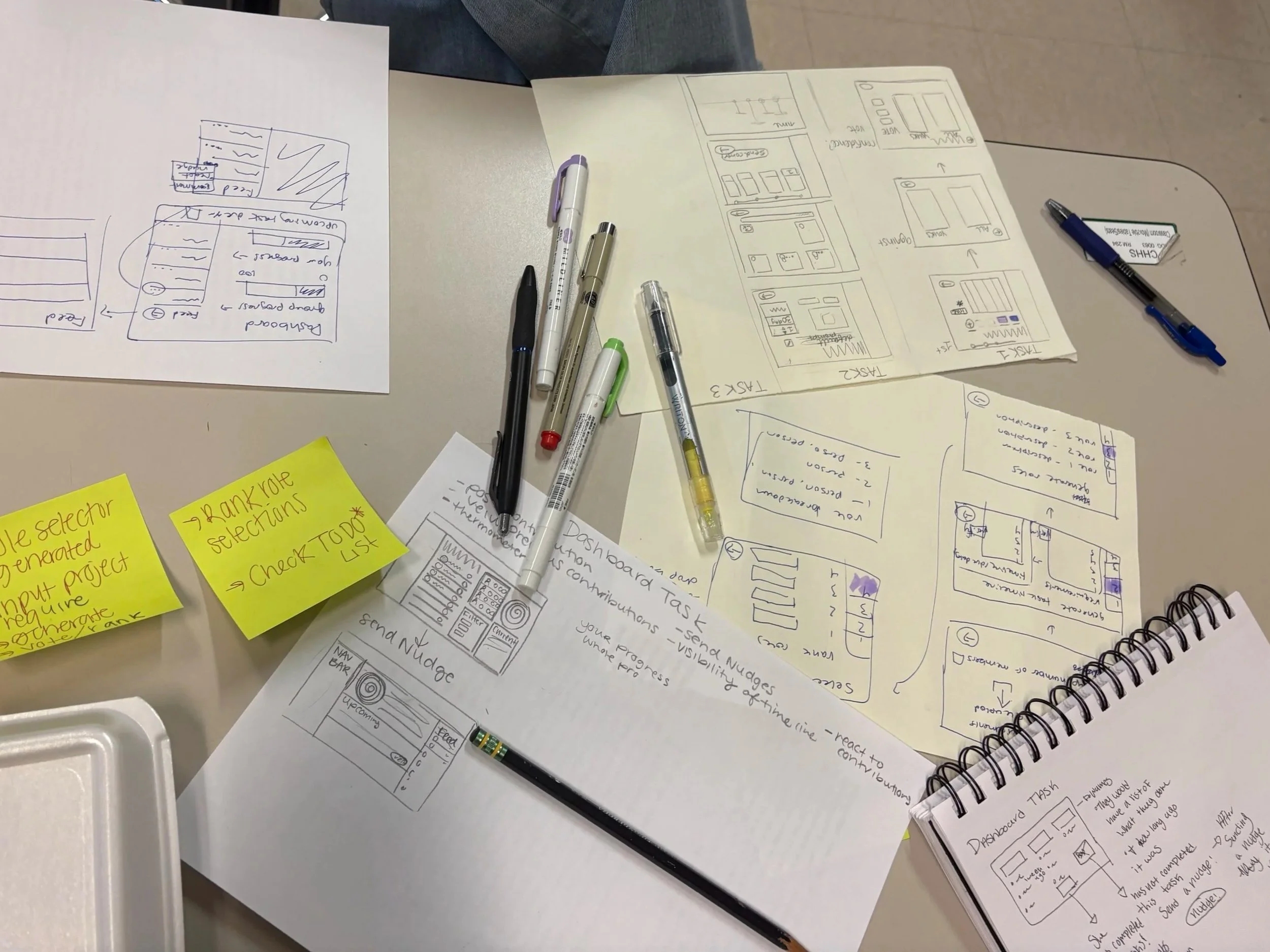
Low-Fidelity Wireframes
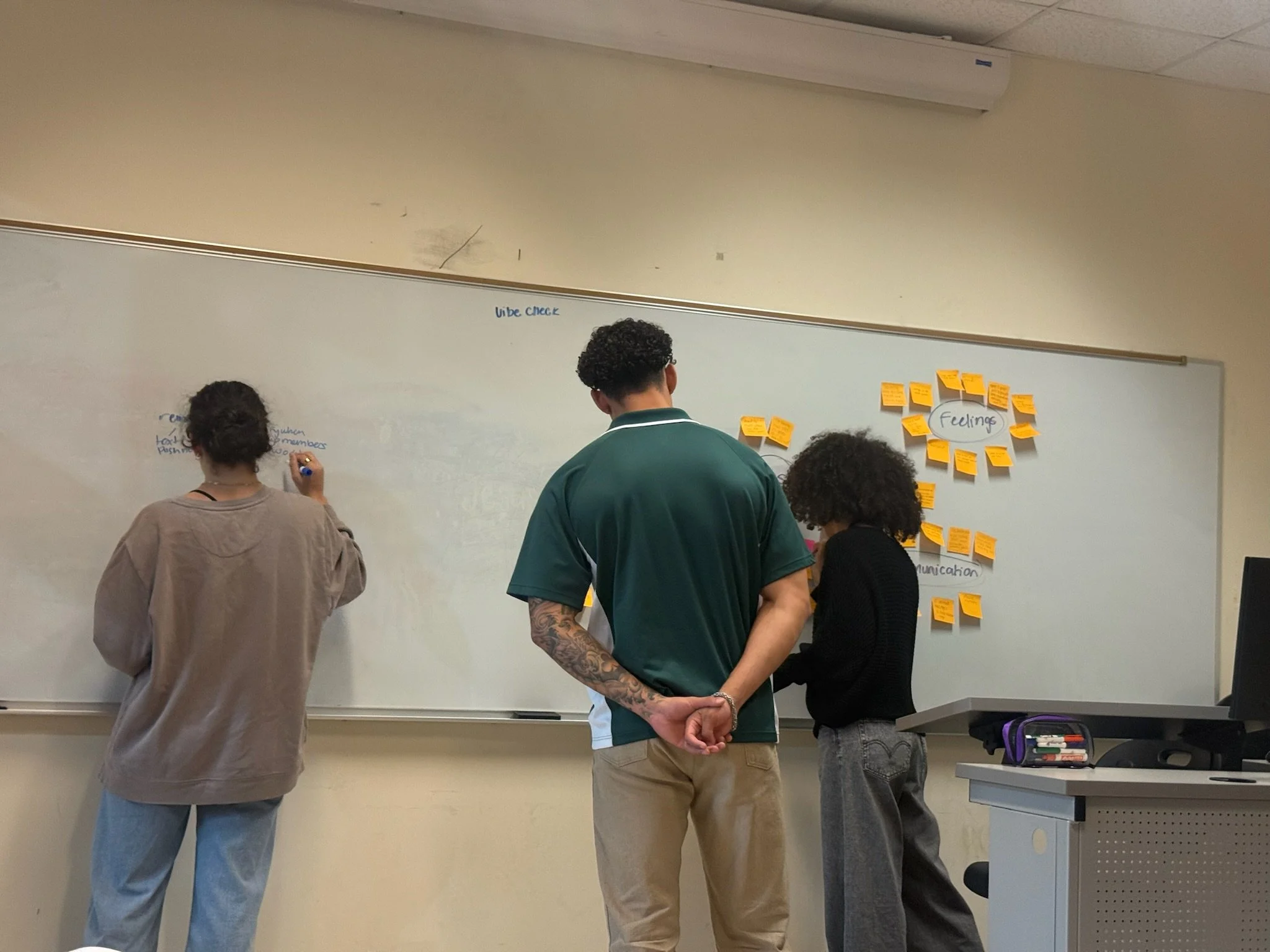
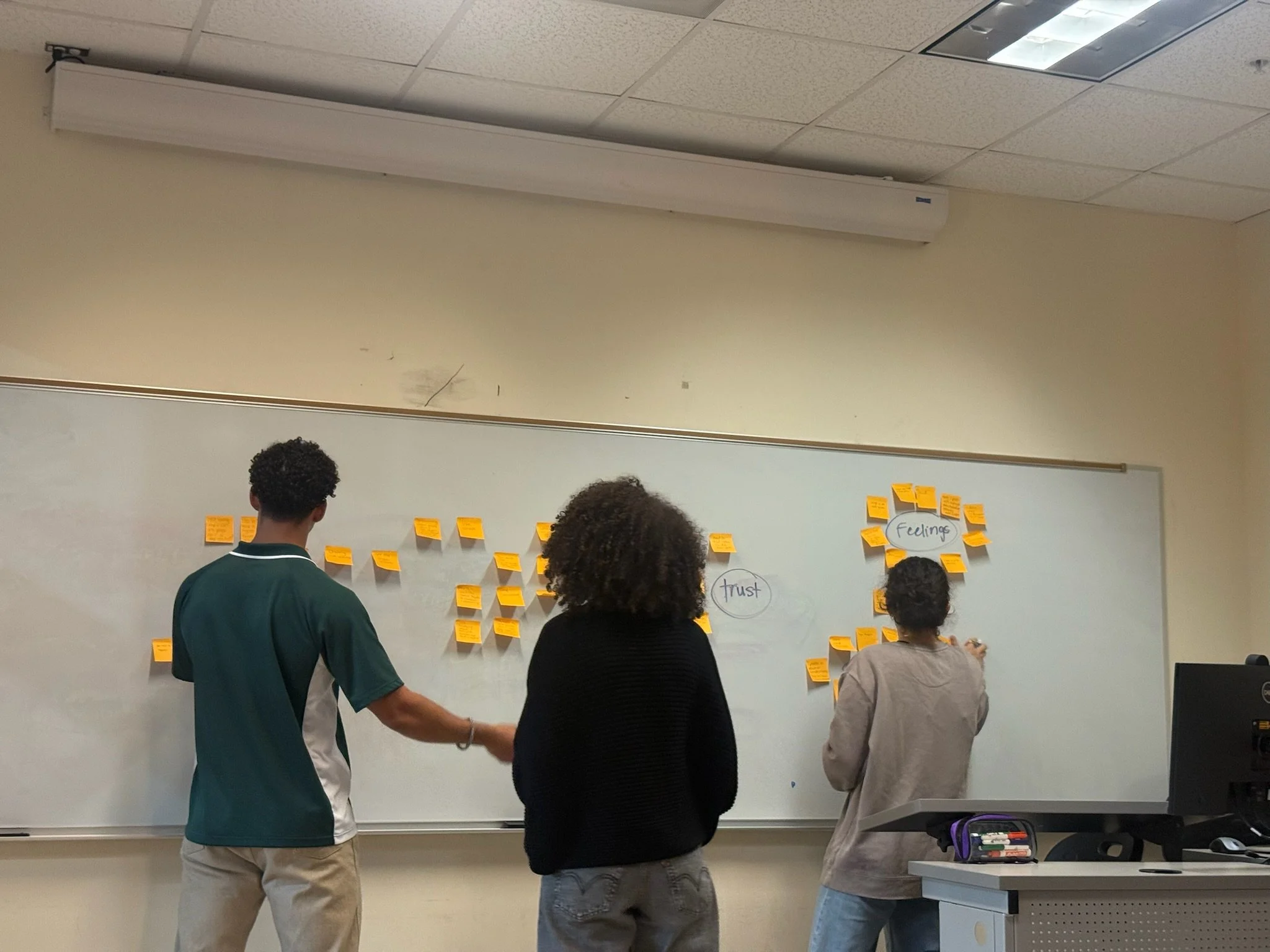
The initial design phase began with low-fidelity sketches focused on the core user flows identified during our focus groups and affinity diagramming sessions. These early wireframes prioritized layout over aesthetics to map out:
Role Assignment: How students would choose specific project identities.
Contribution Tracking: Initial concepts for making group work visible.
Communication Dashboards: Organizing messages and task status into a centralized hub.
Medium Fidelity FigJam
High Fidelity Figma
I developed the sketches into refined, interactive medium-fidelity wireframes in FigJam. Key Features:
Contribution Dashboards: Using visual "participation thermometers" to display real-time group availability.
Role Identity Selectors: Integrated menus allowing students to adopt roles like "Planner," "Editor," or "Researcher".
Progress Indicators: Real-time task and milestone tracking to build trust among group members.
Smart Availability: An upgraded "When2Meet" style interface that allows users to compare schedules and vote on meeting times directly.
The transition to high-fidelity wireframes focused on moving beyond functional structure and into the psychological feel of the app. I anchored the design system with a modern blue for primary actions, but the true impact lies in the bright and bubbly color palette used to give each group member their own individuality. By utilizing a gradient of blues, oranges, and reds, the UI provides instant, non-verbal feedback on group health. A vibrant individual color-coded palette helps afford participation status and equity. These high-fidelity details combined with clean typography and consistent spacing transformed the interface into a reliable tool that students felt they could trust to hold their peers accountable and protect their own grades.
Final Thoughts
This project was a deep dive into how technology can actively shape human behavior. By moving away from "black box" collaboration where work is hidden, FairShare proves that transparency leads to reduced stress and higher motivation. This experience taught me how to take complex qualitative data and turn it into a clean, functional interface that solves real-world social friction.
High Fidelity Prototype Figma: FairShare
Full Case Study: FairShare_Case_Study